


Internal Family Systems (IFS) Therapy in Arvada
You know why you do it. Part of you still does it.
IFS therapy for the inner critic, the perfectionist and the people-pleaser. In person in Arvada or online across Colorado.
We reply within one business day. Phone, video or in person.
Internal Family Systems (IFS) therapy is a parts-based approach developed by Richard Schwartz. At AVOS Counseling Center, graduate counseling intern Laura Rose Gaydos offers IFS-informed parts work under the supervision of Erica Bonham, MA, LPC, at 8795 Ralston Road in Arvada, Colorado, and online across Colorado. IFS can also be incorporated alongside EMDR when appropriate.
That inner critic, perfectionist or people-pleaser might have been trying to protect you for years. IFS helps you understand those patterns without declaring war on yourself.
Why choose AVOS?
- Experienced somatic perspective: Laura brings 25+ years of bodywork, yoga, mindfulness and somatic coaching to her counseling.
- Clinical supervision: Laura is pre-licensed and works under Erica Bonham, MA, LPC, an EMDRIA-approved consultant who trains other therapists.
- Clear fees: Laura's individual sessions are $90 for 50 minutes; Medicaid is accepted for eligible appointments.
We reply within one business day. Talk by phone, video or in person.
Request a Free IFS Consultation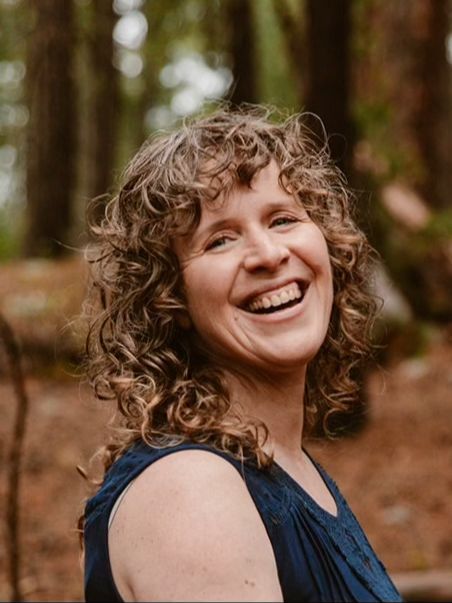
Graduate Counseling Intern · Supervised by Erica Bonham, MA, LPC
Meet Laura ➝
Still driven. Just not driven into the ground.
What Can IFS Therapy Help With?
The voice that drives you is wearing you out.
IFS therapy may be useful when you understand your patterns but still feel caught in them. Perhaps you succeed at work while a constant inner voice tells you it isn't enough, or you keep agreeing to things you don't want to do. Maybe it sounds like this:
You may have already read the books, built the routines and talked it through, and the voice still hasn't eased off. IFS takes a different route: instead of fighting the critic with more discipline, it asks what the critic is protecting you from.
People explore IFS-informed parts work for experiences including:
- Self-criticism and shame: a harsh inner critic that never seems satisfied.
- Perfectionism and burnout: feeling that resting means falling behind.
- People-pleasing and boundaries: saying yes to avoid conflict, then feeling resentful or exhausted.
- Anxiety and overthinking: anticipating problems or replaying conversations.
- Trauma and attachment wounds: protective responses formed around painful past experiences.
- Depression, grief and disconnection: feeling numb, stuck or distant from yourself.
- Relationships and life transitions: repeating dynamics you want to change.
IFS does not require you to have a particular diagnosis. At AVOS, parts work may be one element of a broader plan for trauma therapy in Arvada, including support for religious or spiritual trauma and LGBTQIA+ clients.
Ask Whether IFS Is a Fit for YouWhat Is Internal Family Systems (IFS) Therapy?
Every part of you is trying to help. Even the one in your way.
Internal Family Systems is a psychotherapy model developed by Richard C. Schwartz in the 1980s. It views the mind as containing different parts, each with its own feelings, beliefs or protective strategies.
You might recognize this already: "Part of me wants to speak up, and another part is terrified of upsetting someone."
Rather than trying to silence one side, IFS helps you approach these reactions with curiosity. The model describes a core Self capable of calm, clarity and compassion, sometimes called Self-leadership. Its "8 Cs" are calm, curiosity, clarity, compassion, confidence, courage, creativity and connectedness.
Despite the name, IFS is not the same as family therapy. The "family" refers to your internal system of parts. Sessions can be individual.
For an overview of the approach, see the IFS Institute.
How Does IFS Understand Your Parts?
Three jobs. None of them bad.
IFS uses three broad descriptions of parts. They aren't diagnoses or labels for your personality.
In IFS, even difficult protective behaviors are approached as attempts to help. That does not mean every behavior is healthy or should continue.
A therapist may help you notice how a part shows up in your body, like tightness in your chest, a clenched jaw or a sudden urge to withdraw, before exploring what it needs. Later work may involve helping parts release painful beliefs, sometimes called unburdening. The pace is collaborative, not forced.
What this means for you
The critic that wears you out is often a protector. You don't have to defeat it. As it learns it can trust you, it can ease up while you keep what's useful about it, like your standards and your drive.

How Can IFS and EMDR Work Together?
When part of you blocks the work, start with that part.
IFS and EMDR are different therapies that can sometimes complement one another in trauma treatment.
IFS-informed work helps you notice and understand protective responses. EMDR (Eye Movement Desensitization and Reprocessing) uses a structured treatment approach to help people process distressing experiences.
For example, someone may go blank or feel overwhelmed when approaching a difficult memory. Many people blame themselves for "blocking." Parts work treats that block as a protective response worth understanding, and explores what would support a greater sense of safety before further processing.
There is no universal sequence: some clients use parts work before EMDR, others use it alongside EMDR, and others benefit from one approach without the other. Your clinician should decide collaboratively with you based on your goals, readiness and needs.
At AVOS, Laura brings training in IFS-informed work and EMDR, while practice founder Erica Bonham, MA, LPC, is an EMDRIA-approved consultant. That means one practice and one plan, without juggling two therapists.
Is IFS Therapy Right for You?
If IFS isn't the right place to start, we'll tell you.
IFS may be a good fit if you…
- want to understand recurring emotional reactions
- have tried talking through your experiences without feeling much change
- are interested in a therapy that includes awareness of your body as well as your thoughts
Your protective parts set the pace. Nothing gets forced open, and we won't rush toward painful memories to make it feel like progress.
It may not be the first step when…
Immediate safety, acute mental-health symptoms, severe instability or substance withdrawal requires more urgent or specialized support. Some people with significant dissociation or other complex symptoms may need additional assessment, stabilization or an adapted approach. These are individual clinical decisions, not blanket exclusions.
A consultation can help establish whether IFS-informed therapy, EMDR, another approach or a referral is the most appropriate starting point.
If you're in crisis, call or text 988. If you're in immediate danger, call 911.
What Happens in an IFS Therapy Session?
It feels a little odd at first. That's normal.
IFS sessions at AVOS are collaborative, paced and connected to real changes you want in everyday life. Most people feel awkward the first time they notice a part, and there's no way to do it wrong.
- 1Initial contactShare enough for AVOS to understand what you’re looking for; no need for your full history in the form. We reply within one business day.
- 2Free consultation and fitAsk about Laura’s training, supervision, availability, fees and whether parts work suits your goals.
- 3First appointmentsDiscuss your concerns and goals. Laura may introduce the parts model, invite you to notice a familiar reaction and help you establish ways of staying grounded.
- 4Ongoing workExplore protective patterns at a manageable pace, build self-compassion and review changes in boundaries, relationships, anxiety or self-criticism.
You do not need to know your “parts” in advance or uncover painful memories in your first appointment.
Tried IFS before and it went in circles? At AVOS, the work stays tied to what you want to change now: how you treat yourself, how you handle conflict, how you show up at work. You review progress together, not just the parts.
How many sessions does IFS take? There is no fixed number. Frequency and duration depend on your goals, the complexity of what you're working through and how therapy progresses. You and your clinician can review the plan rather than committing to an arbitrary course.
Meet Your IFS Therapist in Arvada
Decades of body-based practice. Closely supervised.
Laura Rose Gaydos
Graduate Counseling Intern • Body-Centered, IFS-Informed Counseling
Laura Rose Gaydos is a pre-licensed graduate counseling intern at AVOS Counseling Center, supervised by Erica Bonham, MA, LPC. She works with adolescents and adults and brings a body-centered perspective to IFS-informed counseling.
Laura has more than 25 years of experience in bodywork, somatic coaching, yoga and mindfulness. She has a Hakomi Institute certificate and is completing graduate training in clinical mental-health counseling at Adams State University, with training in IFS, Hakomi and EMDR.
"Healing is not about 'fixing' people."
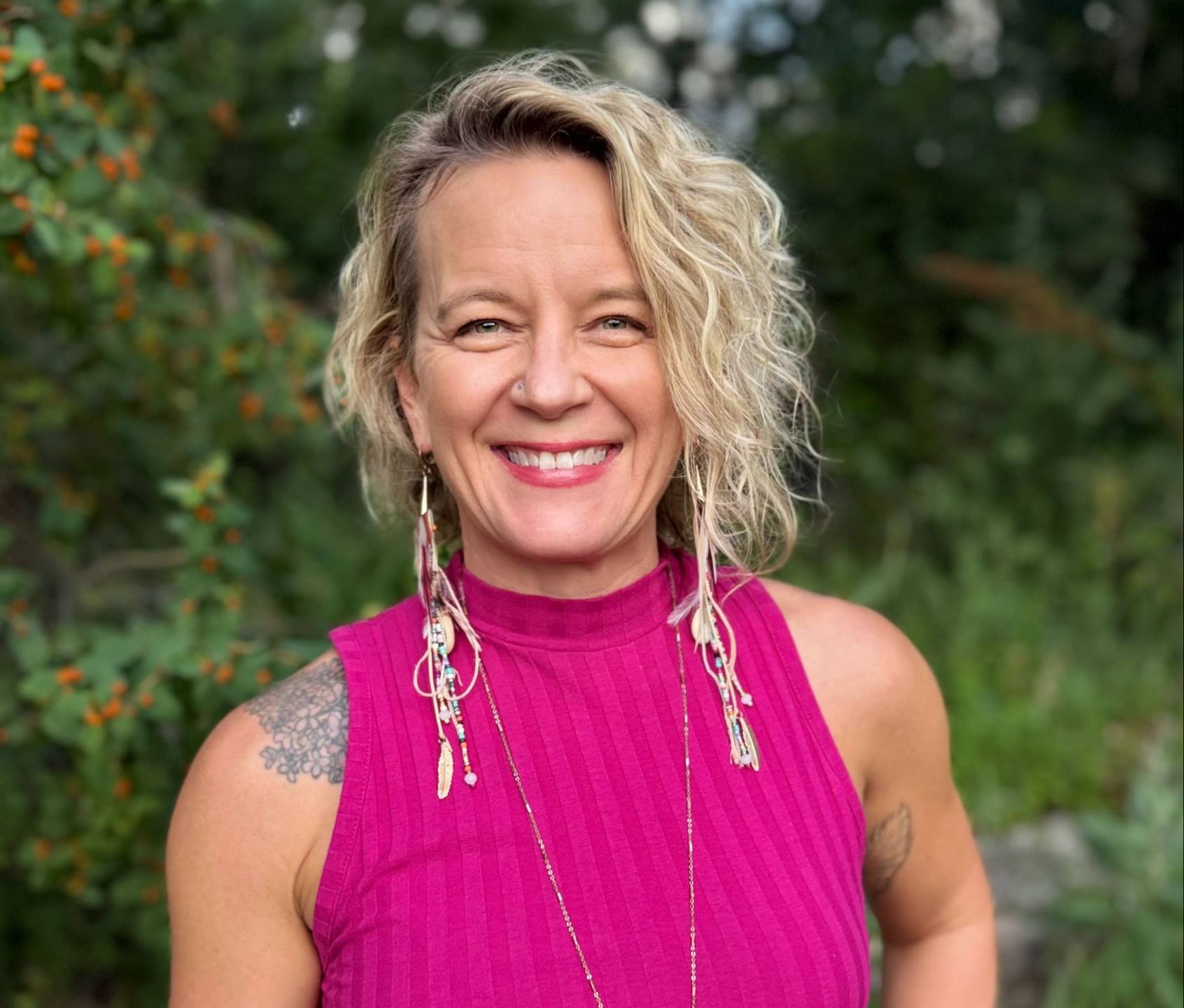
Erica Bonham, MA, LPC
Clinical Supervisor • EMDRIA-Approved Consultant
Erica founded AVOS and is an EMDRIA-approved consultant who trains and consults other therapists. She has completed Approved Clinical Supervisor training levels I–III, and Laura works under her professional supervision.
Other therapists refer their clients to AVOS for trauma care.
Why “intern” can work in your favor
Laura is pre-licensed, which is why her sessions are $90. She isn't new to body-based work: she brings decades of it, and Erica reviews her clinical work in supervision.
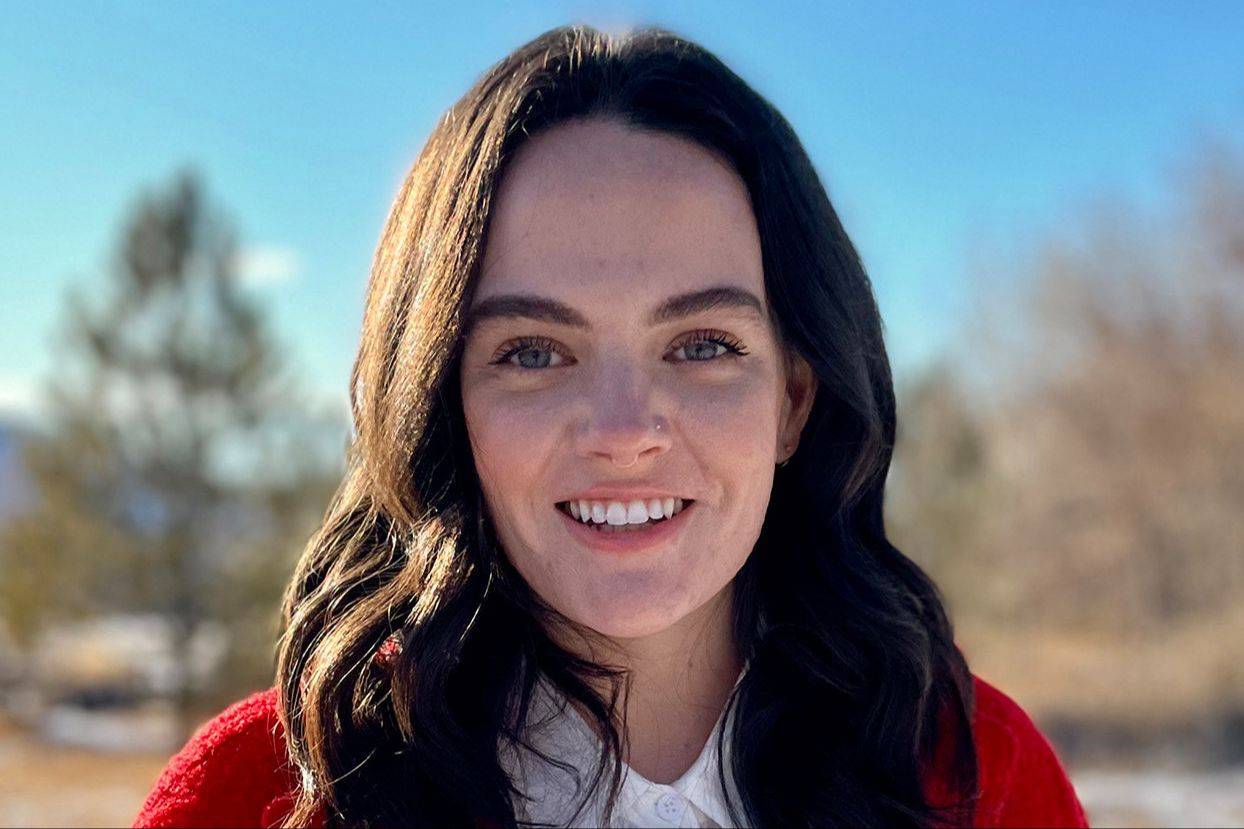
Prefer another clinician? Kelly Farah, MA, LPCC, also incorporates Internal Family Systems and attachment-focused work, including support for shame and protective patterns.
How Much Does IFS Therapy Cost in Arvada?
Know the price before you call.
IFS-informed counseling with Laura at AVOS costs $90 for a 50-minute individual session or $135 for 75 minutes. The practice also offers Kelly Farah's individual sessions at $125 for 50 minutes. You'll get session pricing and cancellation terms before you book.
Clinician |
Individual session fee |
Laura Rose Gaydos |
$90 / 50 minutes; $135 / 75 minutes |
Kelly Farah, MA, LPCC |
$125 / 50 minutes |
Does insurance cover IFS therapy? AVOS accepts Medicaid for eligible services and clients. Laura's public practice information lists Medicaid for qualifying Arvada and online appointments. AVOS does not bill most other insurance plans directly; it can provide a superbill for possible out-of-network reimbursement, depending on your plan. Reimbursement isn't guaranteed.
Your first consultation is free, so you can check eligibility, benefits and coverage with us before your first session. See fees and insurance.
Request a Free IFS ConsultationIFS Therapy in Arvada and Online Across Colorado
On Ralston Road, or from your own couch.
AVOS Counseling Center provides in-person counseling at 8795 Ralston Road, Suite 200A, Arvada, CO 80002. You'll receive precise arrival details when you book.
AVOS serves clients in Arvada and nearby areas including Westminster, Wheat Ridge, Lakewood, Golden, Broomfield and northwest Denver. Colorado telehealth appointments provide an alternative if traveling to the office isn't practical.
AVOS Counseling Center
8795 Ralston Road, Suite 200A
Arvada, CO 80002
(303) 880-7793
Monday–Friday, 8 a.m.–5 p.m.; Saturday by appointment.
Request a Free IFS Consultation
You don't have to untangle everything before asking for support.
If self-criticism, burnout or the same old reactions keep getting in the way, start with a conversation about whether IFS-informed therapy at AVOS is the right fit. Otherwise it's another year of the same voice and the same yes you meant as no.
You can ask about fees, Medicaid, online sessions and Laura's approach before scheduling treatment. We reply within one business day.
By submitting a form, you are automatically added to our email list, but can unsubscribe at any time!
IFS Therapy FAQs
Is Internal Family Systems the same as family therapy?
No. IFS usually focuses on different inner parts of one person's experience. Traditional family therapy works with relationships between family members.
Is Laura Rose Gaydos certified in IFS?
Laura reports training in IFS and works as a supervised, pre-licensed graduate counseling intern. IFS Institute certification is a distinct credential, which AVOS does not claim for Laura. You can ask for the details of her training during a consultation.
Is IFS therapy evidence-based?
The former U.S. National Registry of Evidence-based Programs and Practices recognized IFS in 2015. That historical recognition does not establish effectiveness for every condition. The IFS Institute's research summary describes encouraging early studies but says larger, replicated trials are still needed for specific mental-health conditions.
Can I receive IFS therapy online in Colorado?
Yes. Laura offers in-person and online appointments, and her Medicaid listing covers online sessions. We'll confirm whether Medicaid applies to your appointment on your consult call.
Can IFS be combined with EMDR?
Sometimes. Parts work may help explore protective responses before or during trauma processing, but the appropriate treatment and sequence depend on a clinical assessment.
Can I do IFS on my own?
Many people start with books or apps, and that can help. A trained therapist adds support when a part won't budge, when strong feelings come up, or when old trauma is involved.
What if I've tried talk therapy and still feel stuck?
IFS-informed counseling may offer another way to explore familiar patterns, including protective responses and physical sensations. A consultation can help determine whether the approach suits you rather than assuming it will work for everyone.
Still have a question? Ask us on a free consultation call. We reply within one business day.
Request a Free IFS ConsultationJoin our Community!
Our monthly newsletter includes psycho-educational tools, nervous system regulation tips, upcoming events and trainings, and much more!
Join today and receive access to our webinar: Cultivating A Badass Nervous System!