This Holiday Season, How About Healing Some Ancestral Trauma?
Dec 09, 2025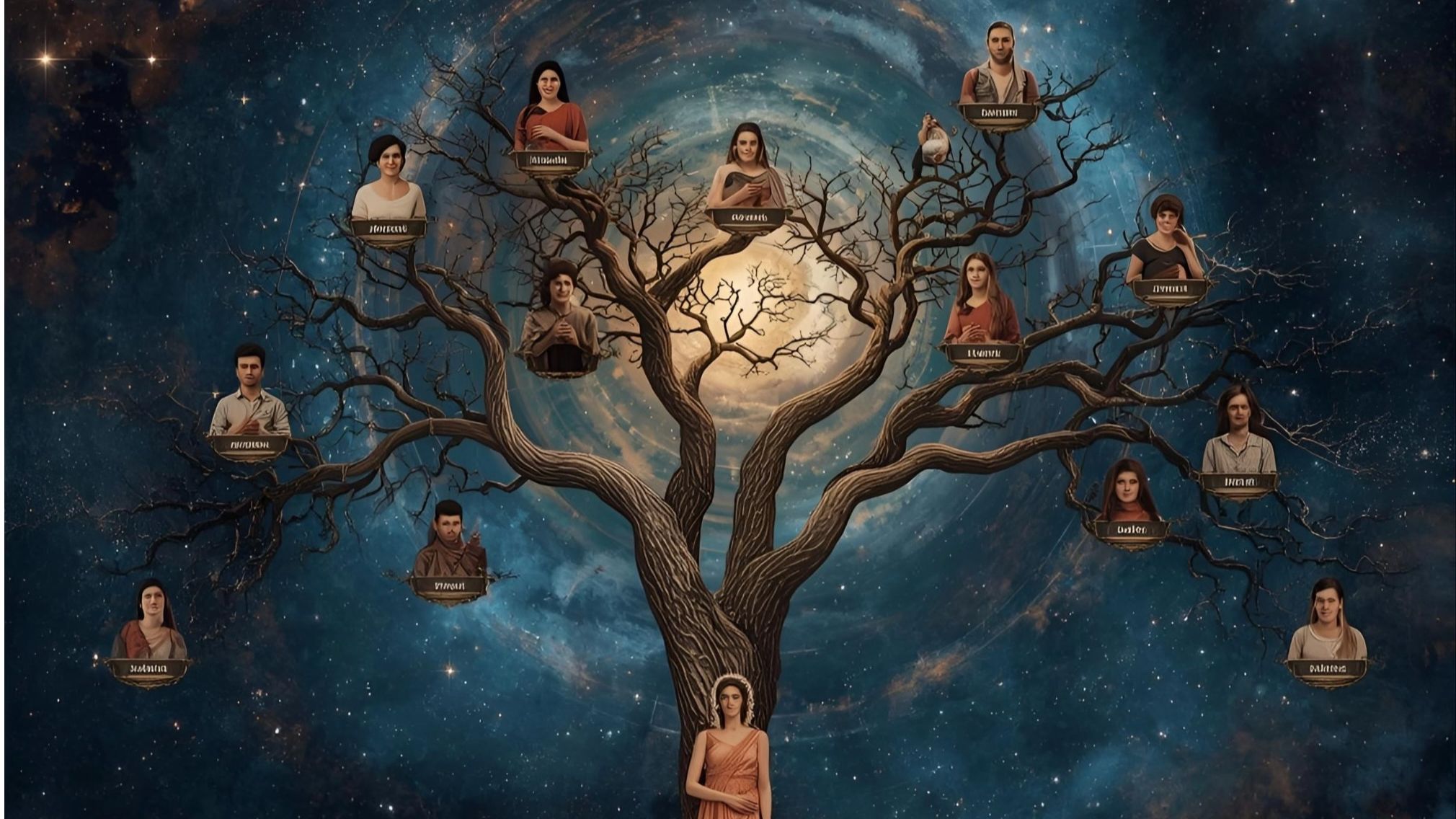
The holiday season can bring up a plethora of emotions and experiences. Some of us begin to think about what our goals and intentions are for the new year. For some of us, this time of year is fraught with loneliness, grief of loved ones that are no longer with us or couldn’t show up for us in the ways we needed them, or our lives not looking the way we want them to. Some of us start to notice patterns in our families that we want to break.
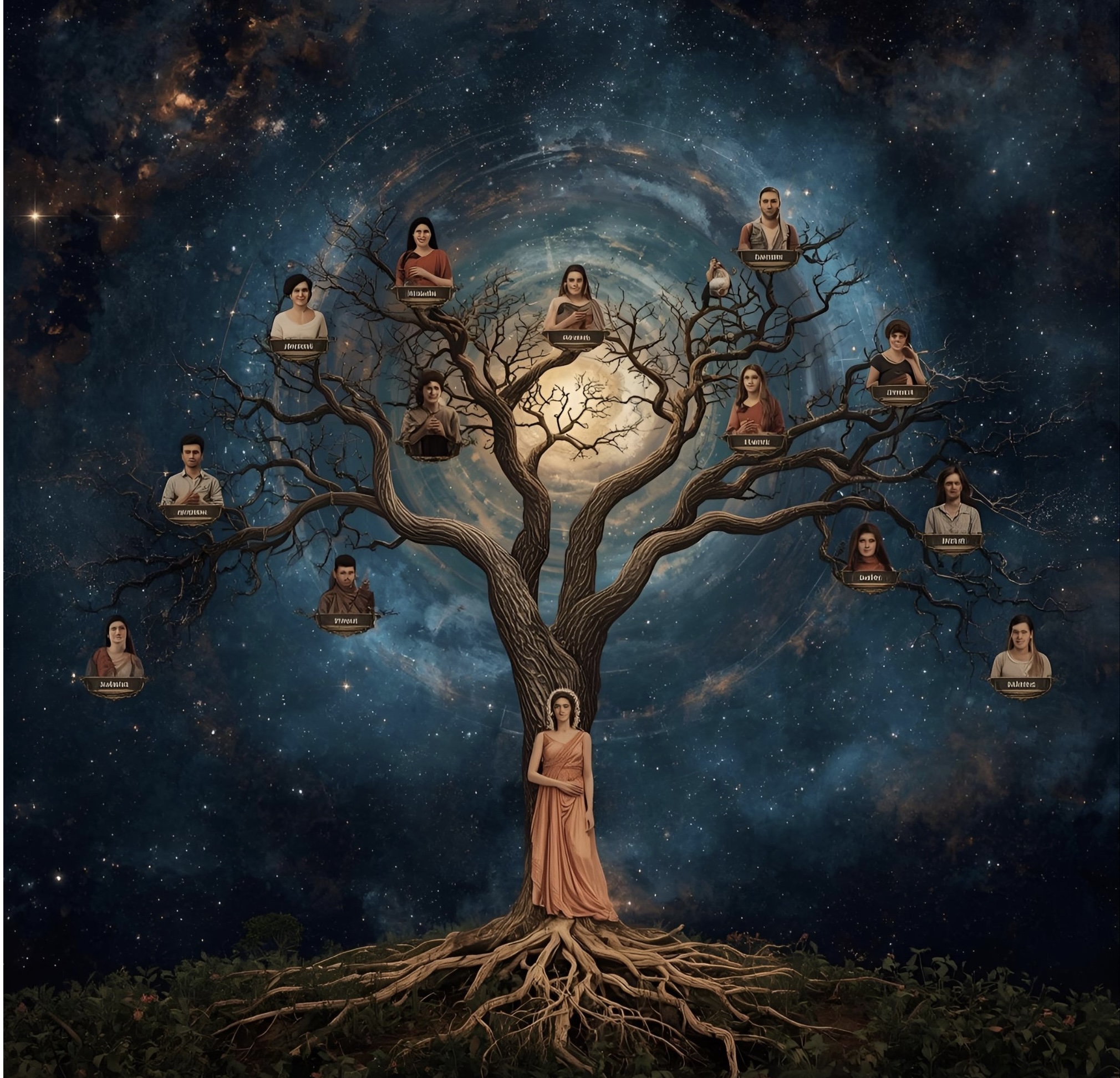
When I am working with clients who are in the process of healing from family trauma, I often encourage them to pay attention to family dynamics during this time as it can bring up material that we can work on with EMDR or other trauma processing protocols. How might you notice these family patterns from a place of curiosity and from the lens of ancestral trauma? How might you ask questions like
"How have certain family patterns been adaptive, but maybe no longer serve?"
"Are there family secrets that have never really been processed or addressed?"
“How can I heal ancestral wounding?”
There is no simple answer to these questions, but asking such questions can often point our feet in the direction of wisdom. When you ask these questions, bring special attention to your body; notice how it might brace or constrict. This is a good place to start in healing ancestral wounding.
Ancestral trauma refers to the emotional, psychological, and spiritual wounds passed down through generations. These traumas can be the result of historical events, cultural upheavals, wars, or systemic injustices that affected our ancestors. The experiences of those who came before us, whether acknowledged or repressed, can shape our worldview, influence our behaviors, and contribute to the cycle of intergenerational suffering. We are only beginning to understand generational trauma, and some scientists believe that we can carry up to 14 generations of trauma in our physical, psychological, emotional, spiritual, and of course, familial systems.
The echoes of our ancestors can be seen in the way we parent, in our addictions, in the reverberations of societal oppression and systemic racism, sexism, and anti-queerness. In his brilliant book, My Grandmother’s Hands, Resmaa Menekem explores how ancestral trauma might show up for white-bodied folks. He highlights that our ancestors who came to the US were coming from extremely brutalizing situations. They did not come over here on the Carnival cruise lines. That trauma never got dealt with, and our ancestors then projected those unhealed wounds onto indigenous people and enslaved Africans. Communities of color obviously have deeply unhealed ancestral wounding as well, but in very different ways.
For those of us in white bodies, ancestral trauma can manifest in perfectionism, urgency, dogmatic and polarized thinking, defensiveness, and power-hoarding, among other things. If you are in a white body, notice how these collective values show up in your families. For those in bodies of color, this can manifest in never feeling safe in current American society or grappling with the lasting effects of dehumanization, erasure of indigenous practice, and the disruption of family structures. Of course, there are myriad ways that this can show up in the human diaspora.
Healing ancestral trauma begins with awareness. Recognizing the signs of ancestral wounds involves exploring family history, understanding cultural contexts, and acknowledging patterns that may have been perpetuated through generations. Common signs of ancestral trauma include repetitive, destructive behaviors, chronic health issues, and persistent emotional struggles that seem to have no clear origin in one's personal experiences. It also means that understanding certain family or cultural practices might involve both resilience and trauma adaptations.
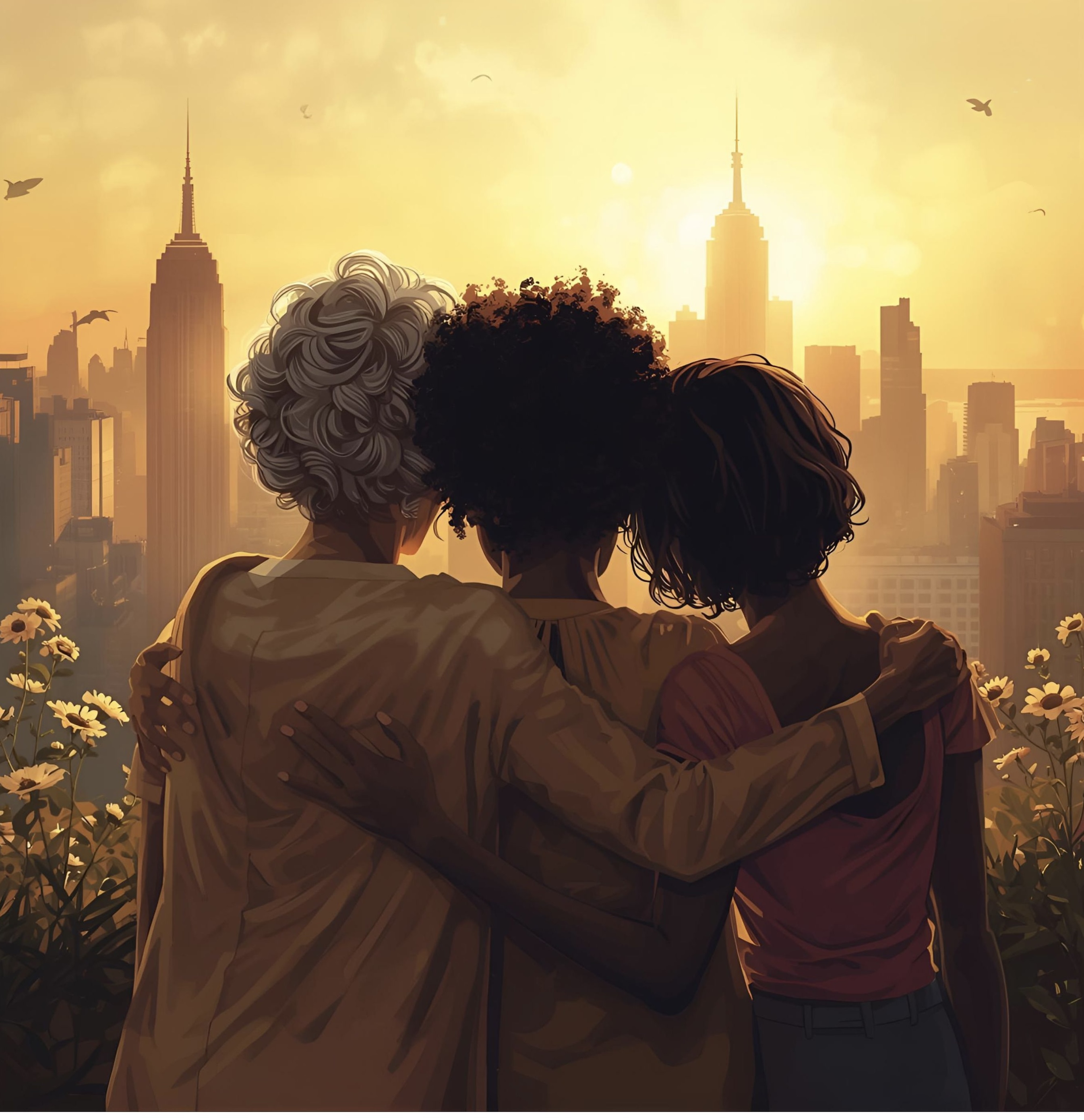
Resmaa Menekem also points out that, “if you put a person in a traumatizing situation for long enough, their response is going to look like ‘personality.’ And if you put a community in a traumatizing society (one that is perhaps racist, sexist, ableist and/or anti-queer), the collective response is going to look like ‘culture.’” This highlights that we, both as individuals and collectively, may have adapted to certain traumatic situations in ways that still manifest in our individual bodies, in family patterns, and in cultural practice. You get to decide which of those still feel like they serve you well and which can be shifted, softened, or adapted.
One of the most powerful approaches to ancestral trauma is working with a combination of EMDR, parts work, mindfulness, body-based, and psychedelic therapies. Healing also means reconnecting with the beauty and resilience of our ancestors as well. Many of the wounds that we carry, if they take root in ancestral wounds, have no words; they are stored in ways that don’t make much sense cognitively. Working with the body and working with psychedelic therapies can help us work on a different level of consciousness, and just as much of the wounding is without words, so is the healing process. Healing is not going to happen in the thinking brain; we must bring in the body.
This holiday season, how about we don’t force the kids to kiss everyone at the table? How about we set boundaries that we have been avoiding for years? How about we soften some of the expectations for things to look perfect on the outside? How about we pull back from the madness and embrace the cycle of winter that might be calling us to rest and hibernate, rather than push through and double down on urgency?

Remember that yes, we may carry wounds from unhealed generational trauma, but we also carry resilience, beauty, and a connection to living things. If we go back far enough, we all have ancestors that held a deeper connection to the land. If we go back really far, we all have the ancestors of water and the great apes. Imagine the energy we could free up, both individually and collectively, if we began to alchemize wounds, rather than simply manage them? We are in a collective reimagining of what we want the world to look like. We get to break patterns that no longer serve us, and that is truly the best gift we can give our loved ones.